




After 16 years of grassroots efforts, local communities in northern Puerto Rico are celebrating the creation of a new marine protected area (MPA), called Jardines Submarinos de Vega Baja y Manatí.
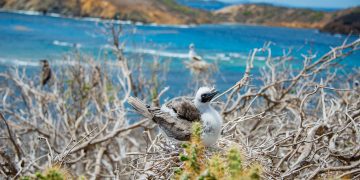
The newly-established MPA encompasses 202.7 km² (77 square miles) of coastal coral reefs, mangroves, and seagrass beds and is home to more than 14 endangered species, including the Greater Caribbean Manatee. The area also hosts vibrant small-scale fisheries and a local ecotourism industry, and communities hope that new efforts to formally co-manage Jardines as an MPA will allow its waters to remain a source of food and income for local families for generations.
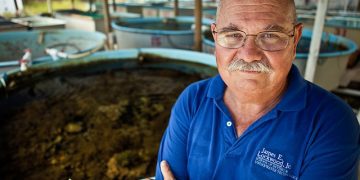
“This is a victory for the people,” said Ricardo Laureano, leading member of Vegabajeños Impulsando Desarrollo Ambiental Sustentable (VIDAS). “These ecosystems nourish us and sustain our quality of life. It took 16 years of hard work, starting in 2007, to get here. Over the years, we rallied neighbors, knocked on doors, and engaged local and national leaders to highlight the critical need to protect this Reserve.”
The conservation movement for Jardines was led by a coalition of several local groups spearheaded by VIDAS, including Puerto Rico Sea Grant, Sociedad de Ambiente Marino, Surfrider Puerto Rico, Para la Naturaleza, and supported by international partners like WCS.
The next step will be the development of a co-management plan for the MPA.
“Our dream is for Jardines to be co-managed by the people who know it best — the local communities,” said Mariela Declet-Perez, leader of Descendants United for Nature, Adaptation, and Sustainability (DUNAS). “We aim to create co-management agreements that balance sustainable resource use, conservation, research, and eco-tourism. This will take time, but we are committed to supporting VIDAS and our local partners to ensure long-term success.”
As the coalition looks ahead, securing funding and scientific support for designing a participatory management process is crucial. A formal legal framework, co-management agreements with local agencies, and a recurring budget will be essential for the project’s longevity.
Local leaders view Jardines as a lifelong commitment, and they hope their success inspires others to take action: “To other coastal communities around the world, our message is clear: Never stop fighting for your ecosystems,” said Ricardo Laureano.