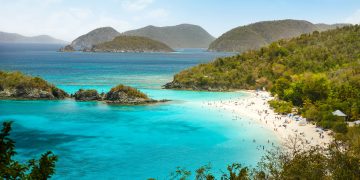




The Caribbean is famed for its bustling cruise ports and resort-lined beaches, but intrepid luxury travelers and sailing enthusiasts know there’s another side – a collection of quiet, unspoiled islands where no mega-ship disgorges crowds. These hidden gems, primarily in the Eastern Caribbean (with a few Bahamian outliers), offer pristine nature, authentic local culture, and tranquil anchorages accessible only by private yacht or small propeller plane. Below, we explore these beautiful off-the-beaten-path islands, with practical tips on when to visit, where to anchor, and how to clear customs along the way.

Saba (Dutch Caribbean) – The Unspoiled Queen of the Caribbean
A lone yacht anchors off Saba’s dramatic cliffs. The island’s towering volcanic peak, often wreathed in clouds, rises straight from the sea without a single beach in sight. Saba is a mere five square miles of lush rainforest “worlds away from the flashy resorts and mass tourism of many other Caribbean isles”. This emerald volcanic pinnacle – part of the Netherlands – has no cruise port or large hotels. Instead, it entices visitors with incredible scuba diving, snorkeling, and hiking. Its Saba Marine Park protects the entire coastline, so there are strict anchoring rules and only two designated mooring/anchorage zones (at Ladder Bay on the west, and at Fort Bay in the east). Sailors must clear in at the tiny Fort Bay harbor, the only port of entry. With no beaches, Saba’s charm lies undersea (think turtles and coral-encrusted pinnacles) and in its storybook villages clinging to the mountainside. Best visited in calm weather months (December–April) when seas are gentler, Saba rewards adventurers with “low-key tropical charm” and total serenity. Bring stout hiking boots to conquer Mt. Scenery’s 1,064 steps, and enjoy the view knowing not a single cruise ship passenger is in sight.

Sint Eustatius (Statia) – Old Caribbean Charm and Diving
Just northwest of Saba lies Sint Eustatius (nicknamed Statia), another Dutch territory that big ships overlook. Statia is a sleepy island of about 3,000 people, dominated by the Quill volcano and rich in colonial history. Once a trading hub, today it’s an ideal stop for yachts seeking authenticity. Big resorts are not a thing here – and the island is all the better for it. The only anchorage is Oranje Baai off the main town of Oranjestad, and sailors will feel the ocean swell gently even at anchor. Entry formalities are straightforward: tie up or dinghy ashore to the old pier and clear customs/immigration in Oranjestad (the sole port of entry). Don’t miss exploring the 17th-century Fort Oranje and diving among the 36 dive sites in Statia’s marine park, studded with historic shipwrecks and even Blue Bead trinkets on the seabed. The vibe is decidedly “Caribbean of old” – no crowds, just friendly locals. Statia’s dry, sunny climate and light trade winds make November–May the best time to visit. You can fly in via small plane from St. Maarten, but arriving by yacht allows you to truly appreciate this little gem’s tranquility.
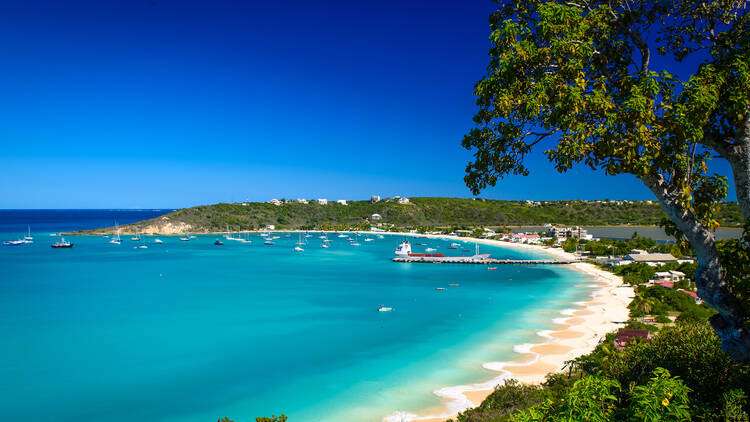
Anguilla – Pristine Beaches with No Cruise Crowds
Anguilla, a British overseas territory just north of St. Maarten, is beloved for its powdery white beaches and upscale yet laid-back atmosphere. No deep-water port exists here, so you won’t find cruise ships packed with tourists – getting here involves a sea shuttle or small flight. The entire island (16 miles long) is ringed by coral reefs and turquoise shallows, perfect for snorkeling and swimming. Luxury travelers come for resorts like Cap Juluca and restaurants that rank among the Caribbean’s best, but thanks to limited accessibility, Anguilla never feels overrun. Yachties can drop anchor at Road Bay (Sandy Ground), the main anchorage and customs point, to clear in. From there, explore secluded coves like Little Bay or Rendezvous Bay at your leisure. Anguilla’s status as a low-density destination is intentional – buildings by law are no taller than a palm tree, and even after Hurricane Irma’s 2017 strike the island has “made a good recovery” without sacrificing its serene vibe. High season (winter through spring) brings blissfully dry weather and music festivals such as March’s Moonsplash reggae festival. Whenever you visit, expect calm anchorages, warm welcomes, and 33 beaches with unbelievable azure water – all blissfully free of cruise ship hustle.

Nevis – Old-World Caribbean Elegance
Tiny Nevis, paired with St. Kitts in a two-island nation, has deliberately kept things slow and charming. There’s no commercial cruise port on Nevis (big ships dock at St. Kitts instead), and “a lack of cruise ships and all-inclusive resorts has ensured that lush little Nevis has retained its old-fashioned Leeward Islands charm”. For travelers, that means uncrowded golden beaches (like Pinney’s Beach, where you might see only a few beachgoers aside from a rum punch at Sunshine’s bar), and former sugar plantations turned into boutique inns. Yachts can anchor off Pinney’s Beach or near Oualie Beach on the northern end; customs can be cleared in Charlestown, the quaint 18th-century capital. On land, Nevis offers horseback riding on the beach, rainforest hikes up Nevis Peak, and historic sites such as the Hamilton Estate ruins and the birthplace of Alexander Hamilton in Charlestown. The best time to sail in is December to April for dry weather and lively local events – like the Nevis Mango Festival or sailing regattas – while avoiding the summer hurricanes. Nevis invites you to wander its monkey-inhabited forests, relax at genteel plantation hotels like The Hermitage, and enjoy a nightcap of locally distilled rum – all with nary a crowd in sight.
Montserrat – The Emerald Isle Reborn
Montserrat is a unique case: a once-bustling island largely quieted by nature’s fury. After the Soufrière Hills volcano erupted in the 1990s, burying the capital and driving away mass tourism, Montserrat reinvented itself as a low-key haven for adventure travelers. Cruise ships essentially stopped coming (only the smallest vessels occasionally tender guests here), so those who make the journey find an island often to themselves. Montserrat welcomes only small and medium sized cruise ships, so guests coming ashore need not worry about huge crowds, according to the tourism board. Access is via a 15-minute puddle-jumper flight or ferry from Antigua, or by private yacht. Yachts may anchor off Little Bay, the only port of entry, and must check in with customs at the tiny harbor terminal. Once ashore, you’ll discover why Montserrat is nicknamed the “Emerald Isle” – from the Irish heritage of its people to its rolling green hills. Visitors can take guided tours into the volcano exclusion zone to witness the surreal ash-covered remains of Plymouth city, soak in black-sand beach coves, or hike to panoramic vistas atop Garibaldi Hill. The island’s quiet roads and friendly pubs (try the local “Montserratian” stout) give it a charm reminiscent of a Caribbean Ireland. The best time to visit is in winter and spring when the weather is coolest; March is especially festive with the St. Patrick’s Festival celebrating Montserrat’s Irish connections. Montserrat’s renaissance proves that even after great upheaval, an island can emerge more exclusive and tranquil than ever – a true haven away from cruise crowds.
Barbuda – Pink Sands and Frigatebirds
Part of the twin-island nation of Antigua & Barbuda, Barbuda remains an undeveloped paradise lost in time. A flat coral island edged by miles of pink-sand beach, Barbuda has zero cruise ship traffic – there isn’t even a real dock for large vessels. In fact, the island’s population of roughly 1,500 is dwarfed by its famous Frigatebird Colony of up to 100,000 birds in the Codrington Lagoon. Reaching Barbuda requires either a chartered boat/sail (about 30 NM north of Antigua) or a small plane landing on its tiny airstrip. Yachts typically anchor off Low Bay on the west coast – a stunning spot where a long spit of pinkish-white sand separates the turquoise sea from the lagoon. From your anchorage, you can dinghy ashore and even take a local water taxi across the lagoon to visit the Frigate Bird Sanctuary, where throngs of exotic seabirds nest (a must-do, especially between November and April during mating season). Ashore, Barbuda offers a handful of low-key beach lodges and barbecue shacks – don’t expect shopping or nightlife, just peaceful nature. All beaches are public and often completely empty, so you can stroll for hours beachcombing without seeing another soul. The best time to enjoy Barbuda is winter and spring, outside of hurricane risk. Remember that Barbuda was slammed by Hurricane Irma in 2017, so facilities are limited but slowly rebuilding – call ahead if you plan to dine or reprovision. Formalities: Barbuda shares a government with Antigua, so if you cleared into Antigua already, you’re set; if arriving direct, you can clear in/out with the Barbuda Council (customs) at Codrington or through the SailClear online system. Visiting Barbuda is truly like sailing into the Caribbean decades ago – just you, nature, and the sea.
Les Saintes (Guadeloupe) – French-Caribbean Idyll with No Big Ships
Just south of Guadeloupe lie Les Saintes, a small archipelago of picture-perfect islands that ooze French charm. The two main isles – Terre-de-Haut and Terre-de-Bas – are technically part of France (as is Guadeloupe), but they feel like a world apart. Perhaps that’s because “larger cruise ships don’t come by these isles and, as a result, they ooze more seaside village charm” than glitzy resort vibe. The moment you sail into Les Saintes’ horseshoe Bay of Terre-de-Haut (a UNESCO-listed natural beauty), you’ll be greeted by a bobbing fleet of sailboats and brightly painted houses climbing the hills. Yachts can pick up one of the mooring buoys provided (anchoring is limited to protect coral), then take the dinghy to town dock to clear customs at the local Gendarmerie or via an online terminal (since you’re in the French West Indies, entry is often as simple as filling out a form on a computer in a shop). Once ashore, rent an electric bike or scooter to explore narrow lanes free of car traffic, visit the 17th-century Fort Napoléon for panoramic views, and indulge in fresh baguettes, croissants, and tropical crêpes at a sidewalk café. There are a few small inns and bistros catering to overnight visitors, but by sundown Les Saintes is wonderfully quiet. Peak sailing season (December–April) brings the most pleasant weather; if you arrive in late July, you can witness Les Saintes’ village fêtes. Whenever you come, don’t forget to snorkel the clear waters off Pain de Sucre or Plage de Pompierre – you’ll likely have these gorgeous spots practically to yourself, since the only other visitors arrived by ferry or yacht just like you.

Dominica – The Nature Island (Rarely Crowded)
Not to be confused with the Dominican Republic, Dominica (an independent nation between Guadeloupe and Martinique) remains one of the least-commercialized islands in the Caribbean. While Dominica does receive occasional small cruise ships at its ports in Roseau or Portsmouth, it sees nowhere near the volume of the typical Eastern Caribbean circuit – and it has zero all-inclusive resorts or flashy tourist strips. Known as the “Nature Island,” Dominica doesn’t have stretches of white sand – but it does have forest trails, wildlife adventures, and boutique eco-lodges. For sailors, Dominica offers excellent anchoring and mooring at Prince Rupert Bay (Portsmouth) and in bays near Roseau, with organized yacht assistance services like PAYS in Portsmouth providing guided tours and security. Clearing customs is required at official ports (ensure you do so on arrival; Dominica is outside the EU/French system even though neighboring islands are French). Once settled, immerse yourself in unspoiled nature: hike to cascading waterfalls, soak in thermal hot springs, and dive vibrant reefs at sites like Champagne Reef. A standout trek is the Waitukubuli National Trail, the Caribbean’s longest hiking trail, which traverses the length of the island. Dominica’s marine reserves also offer some of the region’s best whale watching. The recommended time to visit is in the winter dry season when rivers run clearer for canyoning and there’s less rain (though expect some showers year-round in this rainforest climate). Without large resorts, accommodations are mainly small inns like Secret Bay or jungle lodges – perfect for those seeking luxury in a natural setting. Dominica invites you to disconnect from commercial chaos and reconnect with nature, alongside a friendly local culture that treats visitors like family.

Bequia (St. Vincent & the Grenadines) – Yachtie’s Paradise
If you dream of an island where everyone knows each other and the harbor is filled with sailboats instead of cruise ships, Bequia (pronounced “BEK-way”) is calling. As the second-largest of the Grenadines (after St. Vincent), Bequia has long been a favorite stop for sailors and discerning travelers – and larger cruise liners generally bypass it (only occasional small ships anchor offshore). The island’s charming capital, Port Elizabeth, welcomes visitors arriving by ferry or yacht tender, giving it a bit more buzz than some tiny isles, but Bequia remains relaxed and culturally rich. Stroll the Belmont Walkway along Admiralty Bay to find colorful waterfront bars where you must sample the potent local rum punch, or visit the Old Hegg Turtle Sanctuary to see hawksbill turtles being rehabilitated. Anchorage: Admiralty Bay is a wide, sheltered bay with good holding ground, well-known as one of the Caribbean’s great anchorages. You can anchor or pick up a mooring off Princess Margaret Beach or Lower Bay and dinghy into town for provisions (Bequia has surprisingly good supermarkets and a fresh produce market for its size). Customs clearance is done at the little yellow building on the waterfront. Sailors love Bequia for its balance of amenities and tranquility – you can get diesel or ice cream in town, then sail a few minutes to a deserted cove. The diving and snorkeling around Bequia are excellent too, with colorful reefs and even wreck dives (a famous dive site is the sunken schooner Devil’s Table). The best time to visit is during the winter sailing season; if you’re around at Easter, don’t miss the Bequia Easter Regatta when the island comes alive with traditional boat races and festivities. Bequia’s tourism is mostly yachts and a handful of boutique hotels, so even at “busy” times it feels like an insider’s secret. Tip: from Bequia, you can sail onward through the Grenadines to other cruise-ship-free islands like Mayreau, the Tobago Cays (an uninhabited marine park of dazzling reefs), and Mustique (a privately owned celebrity hideaway with its own understated exclusivity).

Carriacou & Petite Martinique (Grenada) – The Sleepy Southern Grenadines
As you venture to the southern end of the Grenadines, you’ll find Carriacou (part of Grenada) – a place often described as the Caribbean from decades past. Home to about 9,000 people and literally meaning “Land of Reefs,” Carriacou has no mass tourism and definitely no cruise port. In the main village of Hillsborough, life hums at a gentle pace: fishermen bring in the day’s catch, children play by the wharf, and the biggest traffic jam might be a goat crossing the road. Aside from the slight bustle of Hillsborough, the island is refreshingly crowd-free. Yachts favor Tyrell Bay on the southwest coast, which offers an easy anchorage and a small marina, along with customs offices for clearance. Another popular anchorage is off Sandy Island – an idyllic uninhabited islet just a short hop from Hillsborough with excellent snorkeling. On Carriacou, don’t miss a visit to the village of Windward on the eastern shore, where traditional wooden sailboats are still built by hand on the beach – a testament to the island’s Scottish and African boat-building heritage. Time your trip for the Carriacou Maroon & String Band Festival in April, or the Carriacou Regatta in late July, to experience authentic local culture and boat races. A short speedboat ride (or ambitious kayak trip) from Carriacou is Petite Martinique, Grenada’s tiniest inhabited island. With only a few hundred residents, PM (as locals call it) has no formal tourism at all – but it’s worth a visit for a hike up its 750-foot central hill Piton and a cold drink at one of the beachside rum shops frequented by local sailors. When sailing this area, be mindful of coral reefs and consider hiring a local guide for tricky passages. Like its neighbors, Carriacou is best enjoyed in winter or spring; during summer, the only “crowds” you’ll encounter might be at the annual village bazaars or Carnival in August. This is truly the serene side of the Caribbean – “the pretty little isle” where you can anchor in an empty bay, sip fresh coconut water, and feel the modern world melt away.

Anegada (British Virgin Islands) – A Reef-Rimmed Getaway
In the land of the bustling British Virgin Islands, Anegada stands apart – literally and figuratively. This flat coral atoll lies 15 miles north of the other BVIs and is the only one formed from coral and limestone instead of volcanoes. Cruises and large ships cannot easily reach Anegada; the island is guarded by the extensive Horseshoe Reef, one of the largest barrier reefs in the world, which has wrecked over 300 ships on its treacherous shoals over the centuries. For sailors, that same reef creates a paradise of protected turquoise waters and rich marine life. Navigation to Anegada requires caution and ideally daytime arrival (charter companies often insist on local pilot guidance), but once inside the reef, you’ll find good anchorage at Setting Point. There are no marinas – just a few mooring balls and anchoring spots off the sandy shore – and you can dinghy to the settlement’s pier to clear customs at the quirky little office (if coming from outside the BVI). Anegada’s delights are simple yet spectacular: miles of secluded beaches (try Cow Wreck Beach or Loblolly Bay, famed for their beach bars and conch shell piles), phenomenal snorkeling on coral heads teeming with fish, and a chance to spot the endangered Anegada rock iguana or flocks of pink flamingos in the salt ponds. The island is famed for its lobsters – each November, the Anegada Lobster Festival celebrates this culinary specialty, attracting foodies by ferry and air. Visiting yachts should plan for self-sufficiency: Anegada has a very small population (~300 people) and limited supplies, so stock up before you go. The winter trade winds make for excellent sailing in December–April; in summer, Anegada is quiet (many establishments close in the off-season) but still accessible for the adventurous. If you seek that castaway feel with the bonus of a cozy beach bar serving fresh-grilled lobster, Anegada is your spot – utterly “off the beaten path” yet within the famously busy BVI, and absolutely devoid of cruise ship crowds.

The Out Islands of The Bahamas – Seclusion in a Billion Shades of Blue
No discussion of crowd-free islands is complete without the Out Islands of The Bahamas, many of which see no cruise ship traffic despite being relatively close to Florida. While Nassau and a few private islands host throngs of cruisers, islands like Eleuthera, Harbour Island, the Exumas, Cat Island, and others remain blissfully serene. These islands are “unspoiled Bahamas… where beaches are pristine and secluded, resorts and hotels stand no taller than the surrounding palm trees, and the water shimmers in countless shades of blue”.
Eleuthera & Harbour Island: In the eastern Bahamas, Eleuthera stretches 100 miles of pink-sand beaches and sleepy villages, with three small airports making it surprisingly accessible. Yet, you won’t find cruise terminals here. Instead, boutique resorts and cottages speckle the coastline. Don’t miss the Glass Window Bridge (where the Atlantic and Bight of Eleuthera meet dramatically) and Governor’s Harbour’s colonial charm. Just off Eleuthera’s northern tip, tiny Harbour Island has earned fame for its Pink Sands Beach – a three-mile blush-colored beach often cited among the world’s most beautiful. Harbour Island’s chic yet laid-back vibe draws yachters and celebrities via ferry from Eleuthera or charter flight from Nassau. Come springtime, Eleuthera hosts a jazz festival and Harbour Island a regatta, but even then the atmosphere remains relaxed. Yachts can anchor off Harbour Island’s west shore (with a local pilot’s help to navigate shallow Devil’s Backbone reef) or pull into Eleuthera’s many bays. The winter months are idyllic for calm seas and clear diving conditions; summers are hotter with a chance of rain but gloriously uncrowded.
The Exumas: South of Nassau, the Exuma archipelago consists of 365 cays famed for electric-blue water and sand bars that appear at low tide. No big ships here – just small yachts, perhaps a few sailing flotillas, and private flyers. Great Exuma (with the main airport at Georgetown) has a few resorts, but the allure is in the Exuma Cays: visit the Exuma Cays Land and Sea Park (a no-take marine reserve) to snorkel thriving reefs at Warderick Wells, feed friendly iguanas on Allen’s Cay, or swim with the famous pigs at Big Major Cay. Anchorages like Staniel Cay or Norman’s Cay are slices of paradise for those arriving by boat or seaplane. The winter/spring high season offers perfect weather and sociable yacht gatherings (with events like April’s National Family Island Regatta in Georgetown), whereas summer brings solitude – you might have an entire cay to yourself. As one travel writer aptly put it, in the Exumas “it’s all yours – no crowds, no bustle… quiet and spectacular”. Bring plenty of provisions and a spirit of adventure, and these Bahamian out islands will reward you with your very own deserted beaches and star-filled nights.
Practical Tips for Visiting Off-Grid Islands
When to Go: The consensus among sailors is that the Caribbean sailing season runs from November to April, the best time for ideal weather and reliable trade winds. This period sees comfortable temperatures, steady winds, and minimal tropical storm risk. The official hurricane season is June 1 to November 30, peaking in August–October; many yacht owners either vacate the region or keep a wary eye on the forecast during those months. That said, late spring (April–June) can be a sweet spot – fewer crowds and still only a very slim chance of early storms. Whenever you go, plan around the weather and remember some services (ferries, resorts, restaurants) on these small islands may scale down in the off-season.
Customs & Entry: Each island or nation has its own clearance procedures. Many of these off-the-grid spots are separate countries or territories, so expect to clear in and out each time you enter a new nation’s waters. For example, Saba and Statia each have their own customs offices despite both being Dutch; Nevis is a separate clearance from St. Kitts if coming by yacht; and sailing from the French islands (e.g. Guadeloupe) to Dominica or St. Vincent requires full immigration procedures again. Fortunately, many islands now use online systems like SailClear to pre-file your information and make customs check-in quicker. Always fly the yellow Q flag upon arrival and seek the port of entry before exploring. Fees vary: some islands charge modest anchorage, mooring, or marine park fees (Saba, for instance, has nightly Marine Park fees and small harbor dues; Statia charges a harbor tax and marine park fee; others like Dominica have a berth fee or cruising permit). Carry some USD cash as many fees are small and collected on the spot.
Anchoring & Mooring: Protecting coral reefs is a priority at these pristine islands, so use moorings when provided (Saba, Les Saintes, and many spots in the Grenadines have mooring buoys for visiting yachts). When anchoring, seek sandy patches and avoid seagrass or reef. Some anchorages are wonderfully calm (Bequia’s Admiralty Bay, Anegada behind the reef in settled weather), while others can be rolly or open to swells (Statia’s Oranje Baai is known to get choppy; Saba’s Ladder Bay mooring field is unusable in certain wind conditions). It’s wise to consult updated sailing guides or services like Noonsite/Navily for local advice. Also note that many of these islands have minimal or no marina facilities, so you’ll be relying on your vessel’s self-sufficiency. Water, fuel, and groceries are available on islands like Bequia, Nevis, Carriacou, or Great Exuma, but might be non-existent on Saba or Anegada – plan accordingly with provisions and spares before venturing to the more remote cays.
Getting There Without a Yacht: If you’re a traveler looking to enjoy these islands without your own boat, fear not – most can be reached via small regional airlines or local ferries. For example, Winair operates puddle-jumper flights to Saba (with its famously short runway) and Statia from St. Maarten. Montserrat has regular small aircraft service from Antigua. Anguilla can be reached by ferry or a short flight from St. Martin. Nevis is a quick water taxi or ferry from St. Kitts. Barbuda and Anegada have small planes from their bigger neighbor islands (Antigua and Tortola, respectively) when ferries aren’t running. The key is to plan ahead, as these services are typically infrequent and weather-dependent. Once on-island, you’ll often use taxis, golf carts, bicycles or simply your feet to get around these intimate locales.
Respect and Enjoy: Part of the allure of these off-the-cruise-radar islands is their gentle pace and authenticity. Embrace the slower rhythm – store hours might be limited, Wi-Fi spotty, and nightlife low-key or non-existent. Dress modestly when roaming villages, always ask before photographing locals, and engage with the community. Many islands have unique local customs (for instance, a “jump-up” dance in Antigua or boat-launching ceremony in Carriacou) – participating respectfully is a rewarding experience. And importantly, leave no trace: these islands work hard to preserve their natural beauty, so practice good seamanship and eco-tourism by avoiding single-use plastics, minding your holding tanks, and bringing reef-safe sunscreen.
By following these tips and venturing just a bit further off the beaten path, you’ll discover the Caribbean’s best-kept secrets – a string of islands where paradise hasn’t been paved for mass tourism, and where you can drop anchor in a pristine bay, step ashore, and feel like you’ve found your own private slice of heaven. Safe sailing and happy exploring!