




Story and photos by Keith Dickey and Rebecca Frontz
This is the third and final installment of a three-part series. Find Part I here: Transatlantic Planning, Electric Style: Part I and Part II here, Crossing the Atlantic, an Electric-Powered Passage: Part II
Crossing the Atlantic with an electric propulsion system is more than just a technical challenge — it’s an exploration of sustainable offshore sailing. Our passage from St. Martin to the Azores demonstrated the potential of electric cruising to blend efficiency, reliability, and comfort. Yet, as with any long offshore passage, it also revealed areas for improvement and important lessons for anyone considering electrified ocean crossings.
While much of our journey was characterized by calm seas and idyllic conditions, the crossing was not without its challenges. Reflecting on our experience and comparing it to the other boats that departed around the same time highlights the unique advantages and limitations of electric propulsion. These insights are invaluable for sailors curious about embracing this innovative technology for long-distance cruising.
Preparation and Planning: A Foundation for Success
The groundwork for our successful passage was laid long before we left St. Martin. Thoughtful preparation was key, and every element of our system was scrutinized to ensure reliability. Carrying spare components, such as a backup throttle potentiometer, proved invaluable when unexpected equipment failures occurred.
Energy management was another cornerstone of our preparation. With 80 gallons of diesel reserved for the generator and a solar array optimized for Atlantic conditions, we carefully calculated our energy budget. This foresight allowed us to navigate confidently through a variety of conditions, from glassy calm seas to brisk trade winds.
Tools like Starlink and Windy were indispensable, giving us up-to-the-minute weather updates and allowing for precise micro-weather routing. This planning ensured we maximized solar efficiency in the high-pressure zones while avoiding squalls and adverse seas in the latter part of the passage.
Electric Cruising in Practice: Strengths and Challenges
Our crossing highlighted the potential of electric cruising to enhance both sustainability and onboard comfort. For the first two weeks, the conditions were nothing short of idyllic. Light winds and calm seas allowed us to rely heavily on solar energy and motor-assisted sailing, maintaining a consistent 105 nautical miles per day.
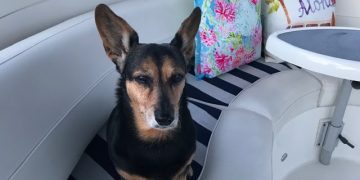
The quiet operation of the electric motor transformed life onboard. Without the roar of a diesel engine, the passage felt serene. Gourmet meals, relaxed evenings, and playful moments with our boat’s companions, Bosun the dog and Scupper the cat, became defining features of the journey. Hydro-regeneration during the trade winds in the final week further demonstrated the system’s capacity to support a sustainable cruising lifestyle.
A throttle potentiometer failure early in the passage temporarily disrupted motor control. Our redundancy planning ensured a quick repair, but the incident underscored the need for sailors to carry spares and be prepared for hands-on troubleshooting. We would have been unable to use the entire electric propulsion system without that spare potentiometer.
Toward the end of the trip, one of our 48V batteries began to fail, reducing our overall energy capacity. This required careful energy management and a recalibration of our usage patterns. The experience highlighted the importance of robust battery design and the need for continued innovation in energy storage technology for electric cruising.


Comparing Routes: The Experience of Four Boats
Our direct rhumb line route was chosen specifically for its compatibility with electric propulsion. It offered calm conditions, clear skies for solar generation, and the shortest distance to our destination. While this route served us well, the experiences of the other boats (powered with traditional diesels) on the crossing underscored how dramatically different passages can be based on routing decisions.
The Bermuda Route
A catamaran following the Bermuda route faced a more traditional Atlantic crossing experience. After a week of uncomfortable NNE sailing, the crew transitioned to brisk trade wind conditions for the remaining two weeks, arriving in Horta with a mix of relief and satisfaction. Their journey was about the same time (20 days) as ours, but it came with the price of more demanding seas and wind angles.
The Modified Rhumb Line
Two boats, a 43-foot monohull and a 42-foot catamaran, opted for a modified rhumb line that placed them 50-250 nautical miles northwest of our position. Despite their relatively close proximity, their experiences could not have been more different from ours.
The monohull, with at least ten Atlantic crossings under its belt, described this passage as “utterly miserable.” Intermittent squalls and seas on the nose for half the trip made for an exhausting and uncomfortable journey. The crew reported battling with both physical fatigue and mental strain from the challenging conditions.
The 42-foot catamaran faced even more significant challenges, losing both rudders to the relentless seas. Forced to rig emergency steering and await assistance, the crew endured a harrowing ordeal that served as a stark reminder of the ocean’s unpredictability.
The Direct Rhumb Line
Our own experience on the direct rhumb line stood in sharp contrast to these tales of hardship. By staying within the high-pressure zones and avoiding the more dynamic weather patterns to the north, we enjoyed a smoother, more efficient crossing. This comparison not only validated our route selection but also highlighted the importance of tailoring a passage plan to the unique strengths and limitations of an electric propulsion system.
Key Takeaways
- Redundancy is essential
Sailing with an electric propulsion system benefits from a high level of replacement redundancy, perhaps more so than traditional diesel setups. Carrying spare components, like our backup throttle potentiometer and an entirely redundant 10 kW motor, ensured we could address issues without compromising the passage. The fact that we had three independent 48v batteries allowed for us to continue when a cell failed within one of the batteries. In hindsight, we absolutely should have replaced the batteries on Vagari before making the crossing. We were fortunate not to have more issues, mostly due to improper use (by us) shortening the life of the batteries. One of the first tasks once we got to mainland Europe was to buy new cells and build our own. Vagari now has two 315Ah @ 48v / ~32kw of battery power. - Energy management is a dynamic process
While our pre-departure energy budget was helpful, real-time adjustments were crucial as conditions evolved. Hydro-regeneration during the trade winds was a game changer, allowing us to arrive with ample battery reserves despite the loss of one battery. There is substantial room for innovation, specifically AI and machine learning, to assist in this energy management. (Keith was fortunate enough to attend the METS marine trade show in Amsterdam in November 2024 and software supported energy management was a big topic. An article series about that trade show and technical innovation in the energy management space is planned.) - Routing matters — a lot
The differences between our passage and those of the other boats underscore how critical routing decisions are. Electric propulsion benefits from routes that emphasize calm conditions, solar efficiency, and minimal distances. Avoiding the squalls and adverse seas that plagued the modified rhumb line boats made our passage not just easier but also far more enjoyable. - The human element cannot be overlooked
The quiet, emission-free operation of the electric system transformed the passage into a more tranquil experience. Beyond the technical and logistical benefits, this enhanced the morale and well-being of everyone onboard, reminding us that cruising is as much about the journey as it is about the destination.


Conclusion
Our Atlantic crossing was more than just a test of technology; it was a demonstration of what’s possible with modern, sustainable cruising systems. From the champagne sailing of the first two weeks to the brisk trade winds in the final stretch, the journey showed how electric propulsion can redefine the offshore sailing experience.
While challenges like the throttle potentiometer failure and battery malfunction reminded us of the need for vigilance and preparation, the overall success of the passage underscored the viability of electric systems for long-distance cruising.
The stark differences in experience between our route and those of the other boats further reinforced the importance of matching the passage plan to the vessel’s capabilities. For us, the direct rhumb line route was not just a path across the Atlantic — it was a gateway to discovering the future of sustainable sailing.
As we look forward to sharing more about this crossing in the context of lessons and innovations, one thing is clear: Electric propulsion is not just a viable option for offshore cruising — it’s a transformative one.
This is the third and final installment of a three-part series. Find Part I here: Transatlantic Planning, Electric Style: Part I and Part II here, Crossing the Atlantic, an Electric-Powered Passage: Part II
Forward questions and discussions about sailboat electrification to sail.vagari@gmail.com.